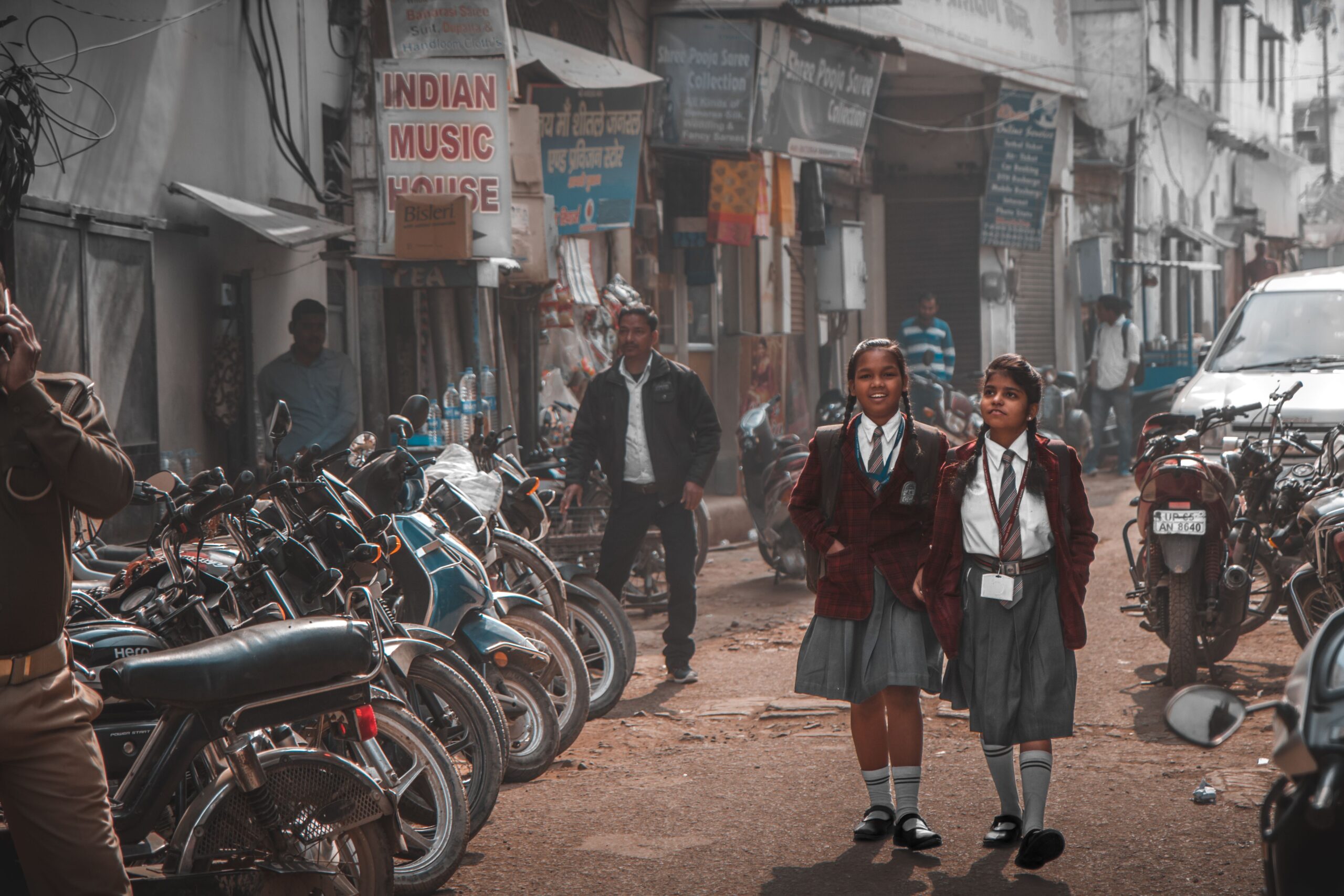


Prerna Ninama, 19. On her way to write an exam. She never made it. On Tuesday afternoon in Gota in Ahmedabad, Gujarat. Prerna, a BSc Biotechnology student at Silver Oak College, was walking to college when a rainwater-filled pothole blocked her path. There was no footpath, so she had to step onto the carriageway.
A crane coming from behind ran over her. An Activa rider shouted to warn the driver, but he didn’t hear. CCTV footage shows it was over in about 10 seconds. The driver was later arrested after allegedly trying to flee.
Her father works as a security guard. He has three daughters, and he dreamed of seeing Prerna become a scientist. He worked hard so she could study.
Let’s be clear. This was not simply an “accident.” It was a design failure.
Why am I writing about this here? Because the people who plan, fund, build and approve our cities are digitally present too: engineers, urban planners, architects, municipal officials, real estate developers, CSR leaders, and the companies whose employees walk these same roads every day.
Pedestrian safety isn’t only a civic issue. It shapes whether young women can safely get to college and to work, whether a city can attract talent, and whether our growth is truly inclusive. If you design roads, sign off on budgets, run construction or logistics fleets, or hire people who commute on foot, this is your issue too.
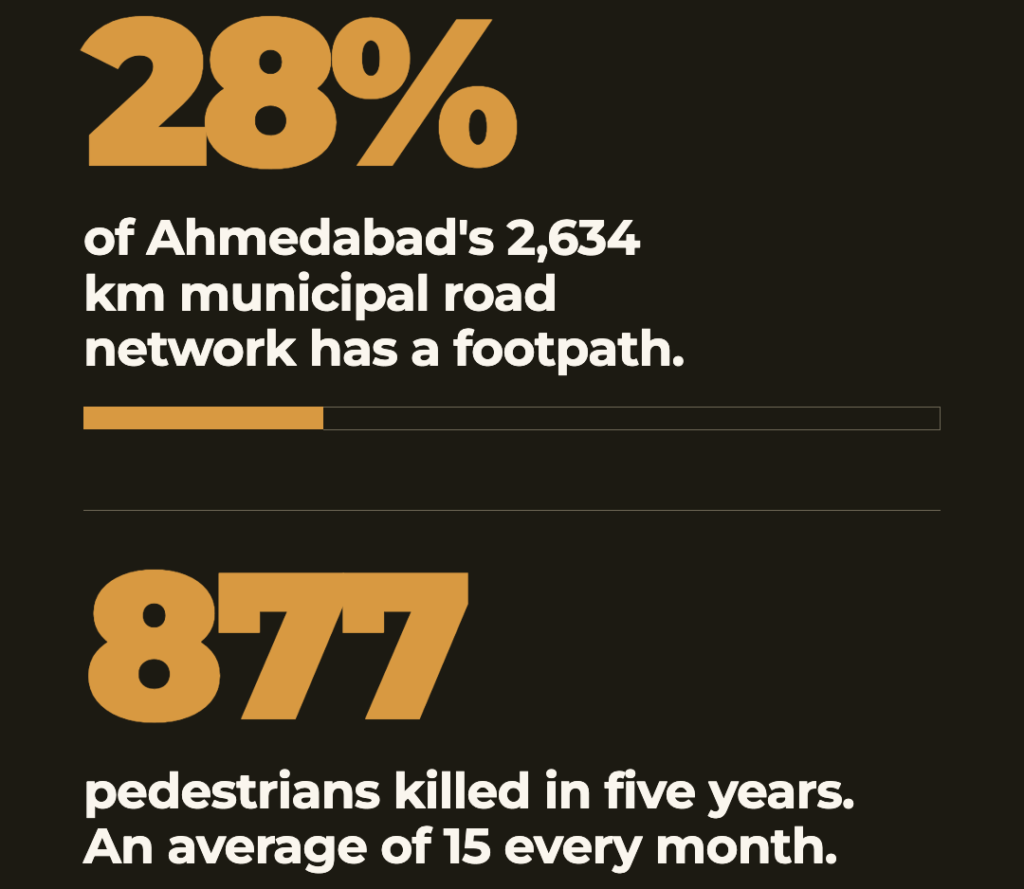
📍 Only 28% of Ahmedabad’s 2,634 km municipal road network has a footpath.
📍 In five years, 877 pedestrians have died on the city’s roads, an average of 15 every month.
📍 Crores are allocated every year for roads and pedestrian infrastructure, yet a student walking to her college still has to choose between a water-filled pit and moving traffic.
When a city doesn’t give people space to walk, it pushes them into harm’s way. Then it calls the result an accident.
Prerna’s death should force some questions: Why do roads near colleges, hospitals and schools still lack continuous, walkable footpaths? Who is accountable when a pothole and water-logging leave pedestrians no safe option? Why are heavy vehicles like cranes moving unchecked on busy urban stretches during peak hours?
Ahmedabad, put pedestrians first in action, not in words.
We’ve had enough policies that mention “walkability,” enough budget speeches about “pedestrian-friendly cities,” and enough condolence messages after every death. What pedestrians need is something they can actually walk on.
To the Ahmedabad Municipal Corporation:
- Publish a time-bound plan for continuous footpaths around every college, school and hospital, starting with the Gota stretch.
- Fix potholes and water-logging before the next monsoon, not after the next death.
- To planners and engineers: stop treating the footpath as an optional extra.
- No road design should get approved without safe space for people on foot.
- To builders, contractors and fleet operators: keep heavy vehicles off busy pedestrian stretches during peak hours, and make sure drivers are trained, rested and accountable.
- To companies and CSR leaders: adopt the streets around your campuses and offices, and measure the results in kilometres of safe footpath, not in press releases.
- And to all of us: report broken footpaths, show up at ward meetings, and keep asking until the answer is built, not just announced.
Every road in Ahmedabad should be safe for an 8-year-old to an 80-year-old walking in the city, either going for an errand or commuting for work. That’s not too much to ask. It’s the bare minimum.
Rest in peace, Prerna. We owe you better streets, and we owe them now.