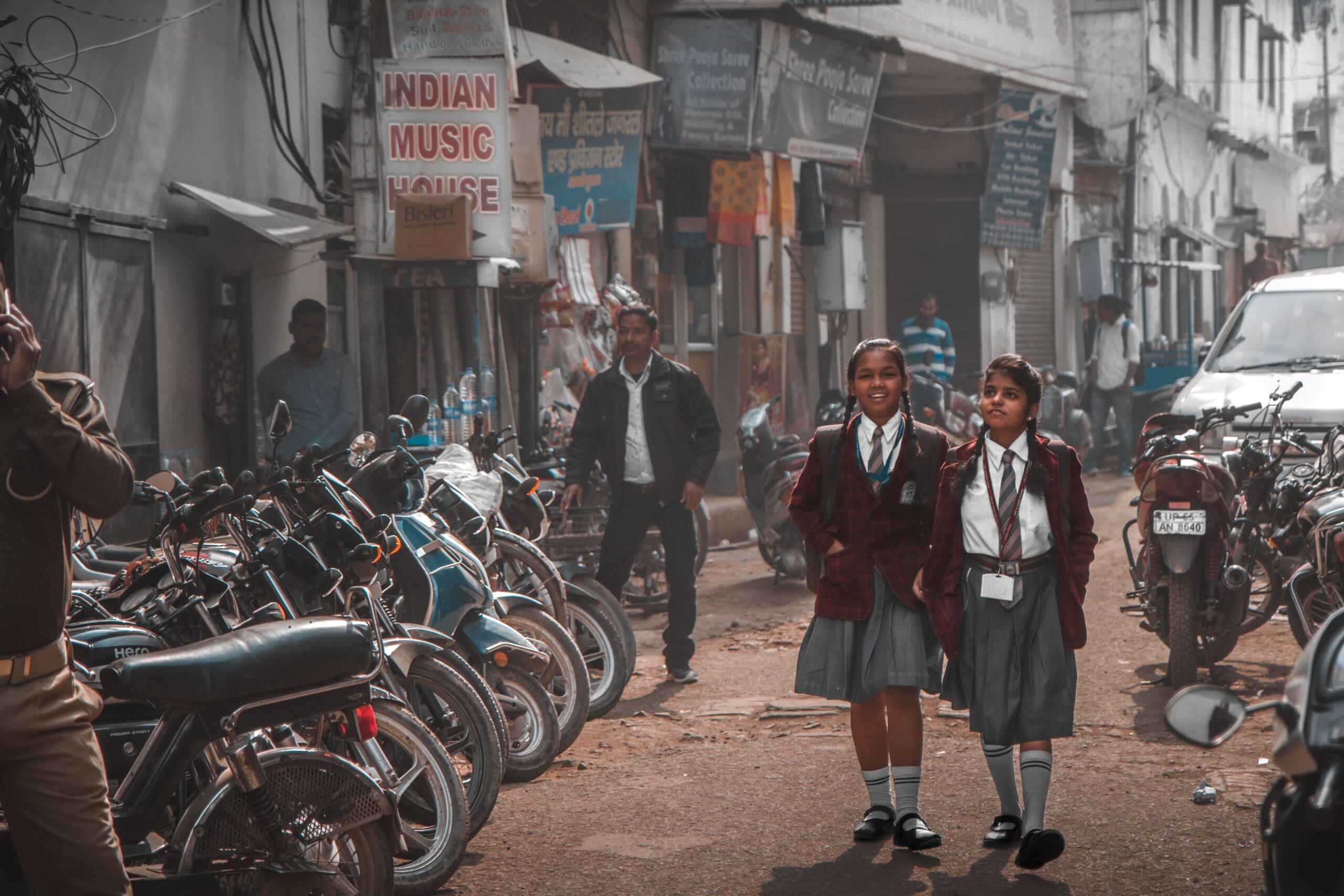
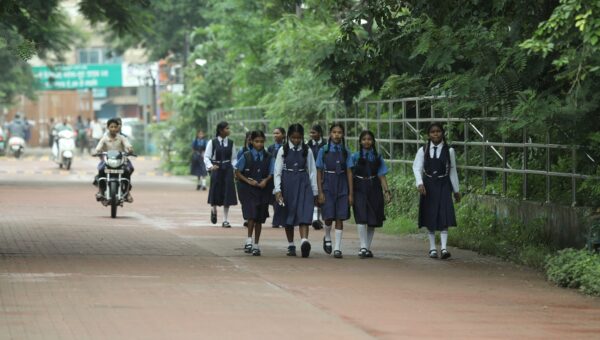
Most Indians Get to School and Work Without a Car. Why Do Our Cities Still Plan Around One?
New Delhi :India gets to school and work on foot, by cycle, by bus and on scooters. Cars are the main ride…

New Delhi :India gets to school and work on foot, by cycle, by bus and on scooters. Cars are the main ride…
Prerna Ninama, 19. On her way to write an exam. She never made it. On Tuesday afternoon in Gota in Ahmedabad, Gujarat.…

Chennai: Before the pandemic, fewer than one in five Indian teenagers were active enough to stay healthy. Then schools shut for nearly…
New Delhi: A father held his five-year-old son’s hand and walked him to school. A tanker hit the boy from behind. He…
Ahmedabad's AMC unveils a ₹17,018 crore budget for 2026-27 — 84% climate-focused, built around Commonwealth Games 2030.
Mumbai's Malabar Hill now has India's first elevated forest walkway. But can the BMC maintain it, manage crowds, and treat green public space as necessity not novelty?
India’s cities force millions to navigate potholes, broken footpaths, and endless traffic every day—almost as if dysfunction is built into their design.…

Contrary to common assumptions, the study reveals that larger cities tend to have lower rates of active mobility and private car use, but a more prominent role for public transport.
There is this whole narrative of demand for strict traffic rules and imposing stringent fine as a magic wand to control road…
The Ministry of Housing & Urban Affairs has recommended holistic planning for pedestrian-friendly market spaces in various cities and municipal areas in…