
Chennai: Before the pandemic, fewer than one in five Indian teenagers were active enough to stay healthy. Then schools shut for nearly two years. A new four-city study asks the question we keep dodging: when the classroom closes, can the neighbourhood keep our kids moving?
The study, published in the Journal of Transport & Health, surveyed 500 teenager-and-parent pairs across Chennai, Bengaluru, Hyderabad and Kochi. It is the first in India to test how walkable a neighbourhood feels against how much its teenagers actually move outside school. The findings are uncomfortable and overdue.
The number that should worry us
Even before COVID, only 18.8% of the teenagers in the study were physically active. During the pandemic, that slipped to 17%. Put plainly: more than four in five were not getting the hour of daily movement the World Health Organisation recommends.
This isn’t news. National data from before the pandemic told the same story. We just never treated it as an emergency.
What actually gets kids moving
Here’s the twist. Of all the neighbourhood features the study measured — footpaths, street connections, looks, crime safety, only one reliably predicted whether a teenager was active before COVID: traffic safety.
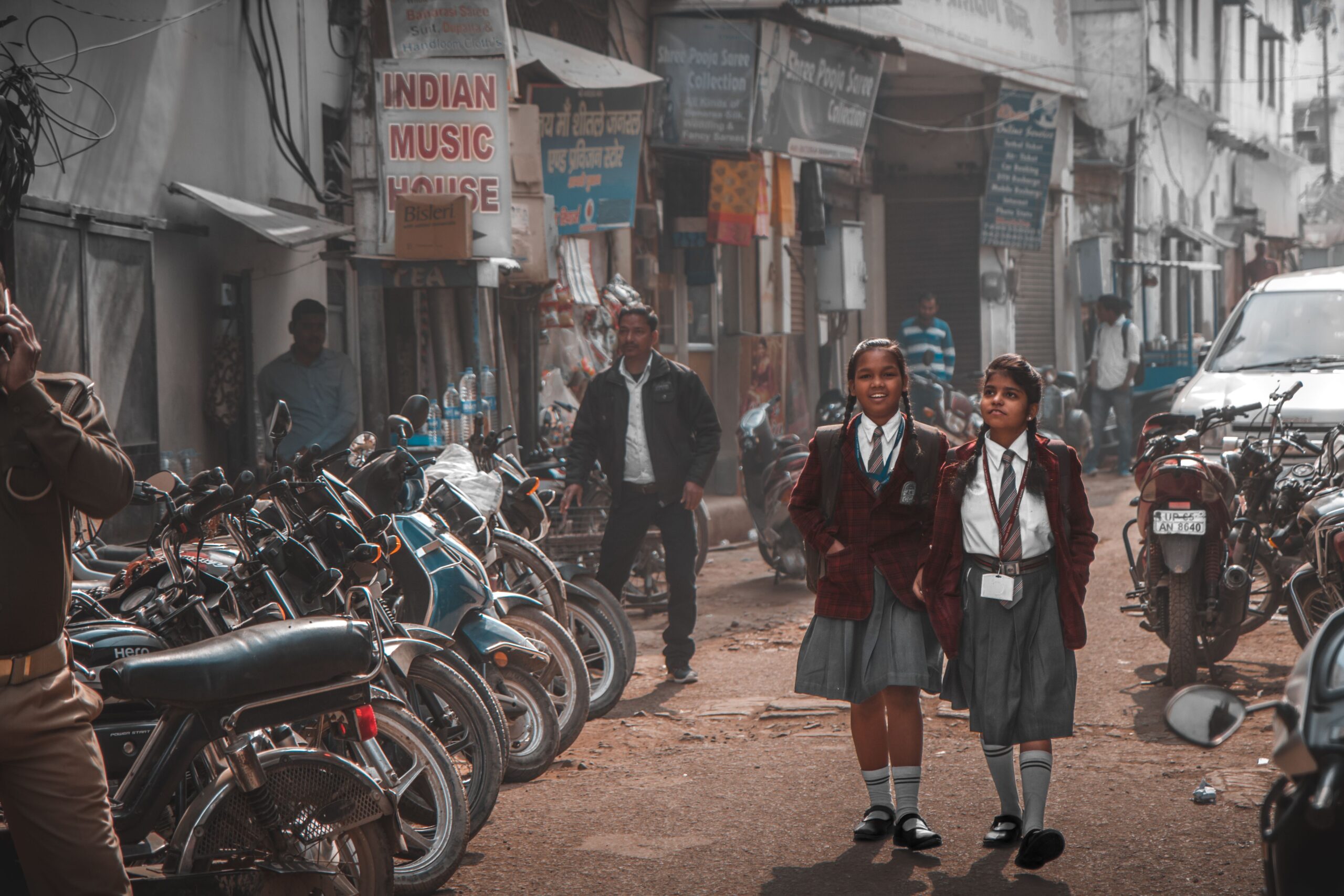
Teenagers whose parents felt the streets were safe from traffic were about 1.7 times more likely to be active. Not fancy parks. Not pretty streets. Just the basic confidence that a child can cross the road without dodging a speeding scooter.
The other predictor was telling: cars. Teenagers from households with two or more vehicles were the most active group. Why? Because in Indian cities where open spaces are quietly vanishing, the family car has become the only way to ferry a child somewhere safe to play.
Movement, ironically, now runs on a motor.
When schools closed, the cracks showed
Then came the lockdowns. With schools shut, the neighbourhood was the only playground left. And the study found something that looks strange at first glance: teenagers living near recreational facilities were less likely to be active during COVID.
The reason is heartbreakingly simple. Those pools, parks and playgrounds were locked. Having them next door meant nothing when the gates were chained.
Compare that with Sweden, Germany and Finland, which kept playgrounds and parks open and watched their young people hold steady, or even move more.
The blind spot in our planning
For decades, India has quietly outsourced children’s health to schools. Games period, sports day, the school ground — that was the plan. The pandemic showed how fragile that plan is.
The deeper problem is structural. India’s National Adolescent Health Programme, RKSK, targets non-communicable diseases but says nothing about the built environment. Our urban planning rulebook, the URDPFI guidelines, doesn’t spell out what a teenager needs to move safely. A researcher studying Delhi even coined a phrase for the gap – “walking dissonance” – where people walk out of sheer necessity, despite streets that make walking miserable.
The way forward
The fix isn’t glamorous, and that’s exactly the point. A micro-study in Chennai found that a plain pedestrian crossing did more to reassure parents than almost anything else. Safe crossings. Calmer traffic. Neighbourhood parks that stay open when a crisis hits. These are cheap, unsexy, and they work.
Our teenagers shouldn’t need a car to find a safe place to run. The next time a pandemic — or a heatwave, or a toxic-air week — keeps them indoors, the street outside their door may be the only place left to move. That’s worth planning for now, not after.
Source: Megha Tyagi, Deepti Adlakha & Laxman Singh Bisht, “Supporting adolescent physical activity through walkable neighbourhoods: Evidence from Indian cities during COVID-19,” Journal of Transport & Health, 2026 (open access, CC BY).