
Integrate Cities With Nature To Fight Climate Change NOW
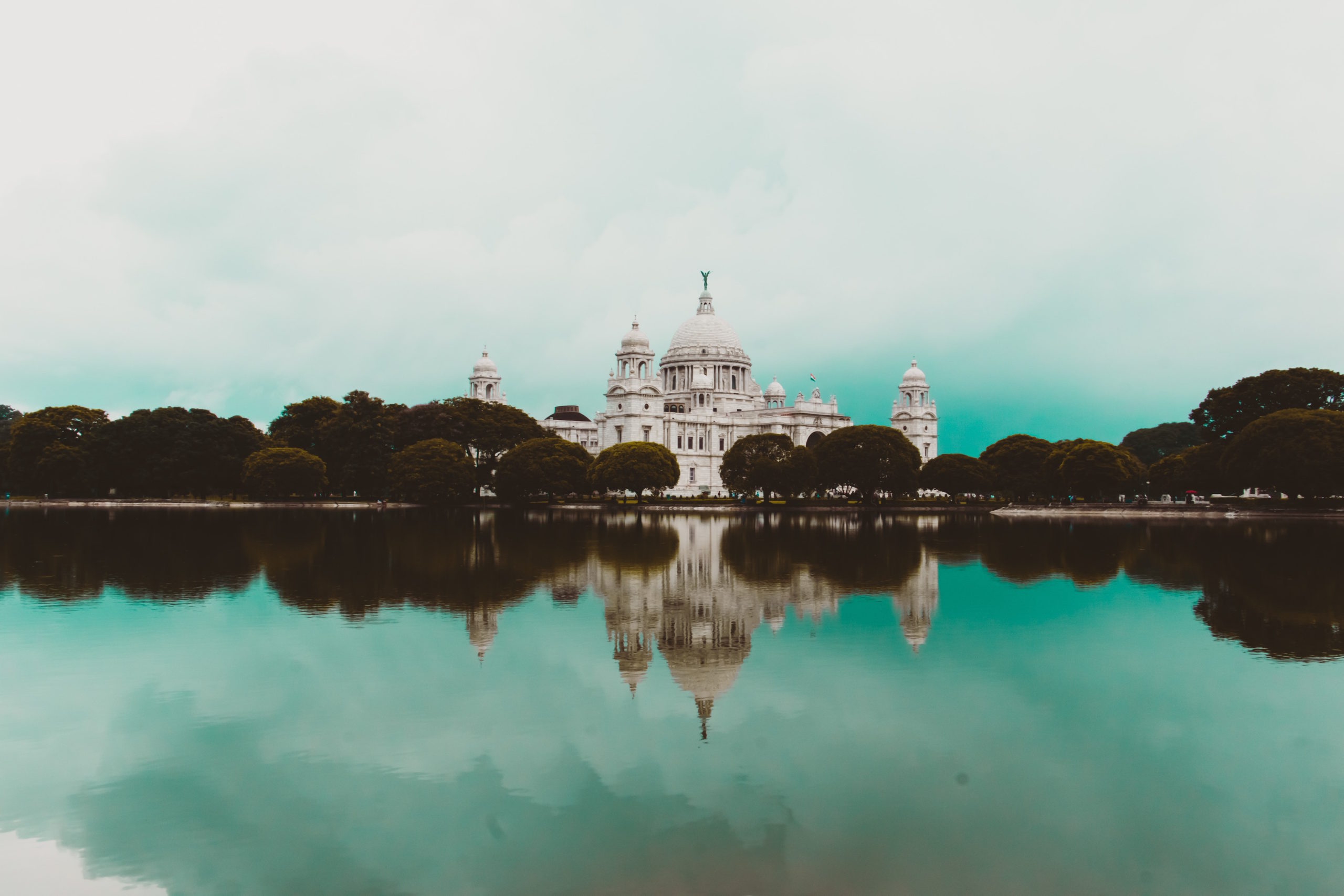
Concrete jungle’ is a word we’re all too familiar with nowadays and the places we inhabit fit the bill a little too…

Concrete jungle’ is a word we’re all too familiar with nowadays and the places we inhabit fit the bill a little too…
Walking has always been the primary means of human locomotion. Pedestrianism (walking) was a popular spectator sport just as horse riding during…

India’s biggest challenge in front of its growth is the impact of climate change on its populace. The country has seen unprecedented…

This article is an open letter to fellow architects, urban practitioners, designers, and thinkers. The urban environment is extremely important to our…

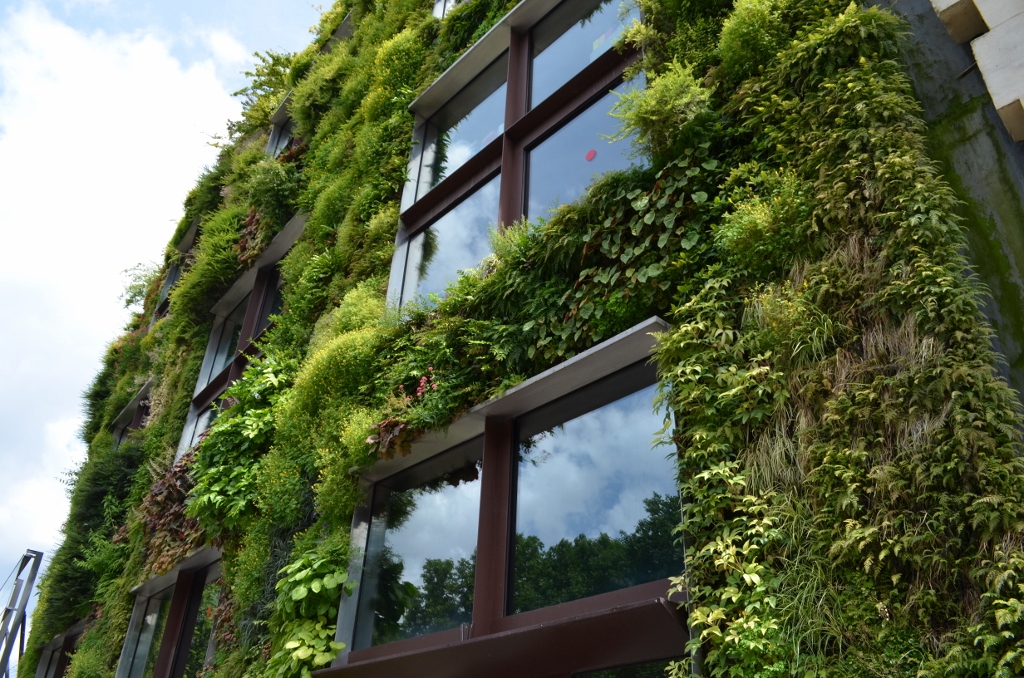
Nature-based Solutions (NbS) as defined as The International Union for Conservation of Nature (IUCN) , are the actions to protect, sustainably manage,…

Streets have been our oldest social spaces which connected diverse areas of the city, creating multiple spaces for communal activities and points for interaction along the way. With an increase in the growth of private vehicles and automobiles, streets were no longer seen as public spaces, rather, just a medium to traverse through, in order to get to your destination.

From smart city contracts to metro PPPs to housing schemes designed for investors — Indian urban planning is quietly being rewritten by market forces.
For decades Indian cities have measured progress in flyovers, elevated roads and highway widening. Meanwhile the footpath outside your home is broken, flooded or simply missing. Urban Voices asks what a genuine shift toward accessible, people-first city infrastructure would look like — and which cities are already doing it.

Women in Indian cities navigate a daily obstacle course — poorly lit streets, crowded buses with no women's sections, footpaths that disappear, public spaces designed without them in mind. Urban Voices asks what it would look like to design safety in from the start rather than bolt it on after the fact.