
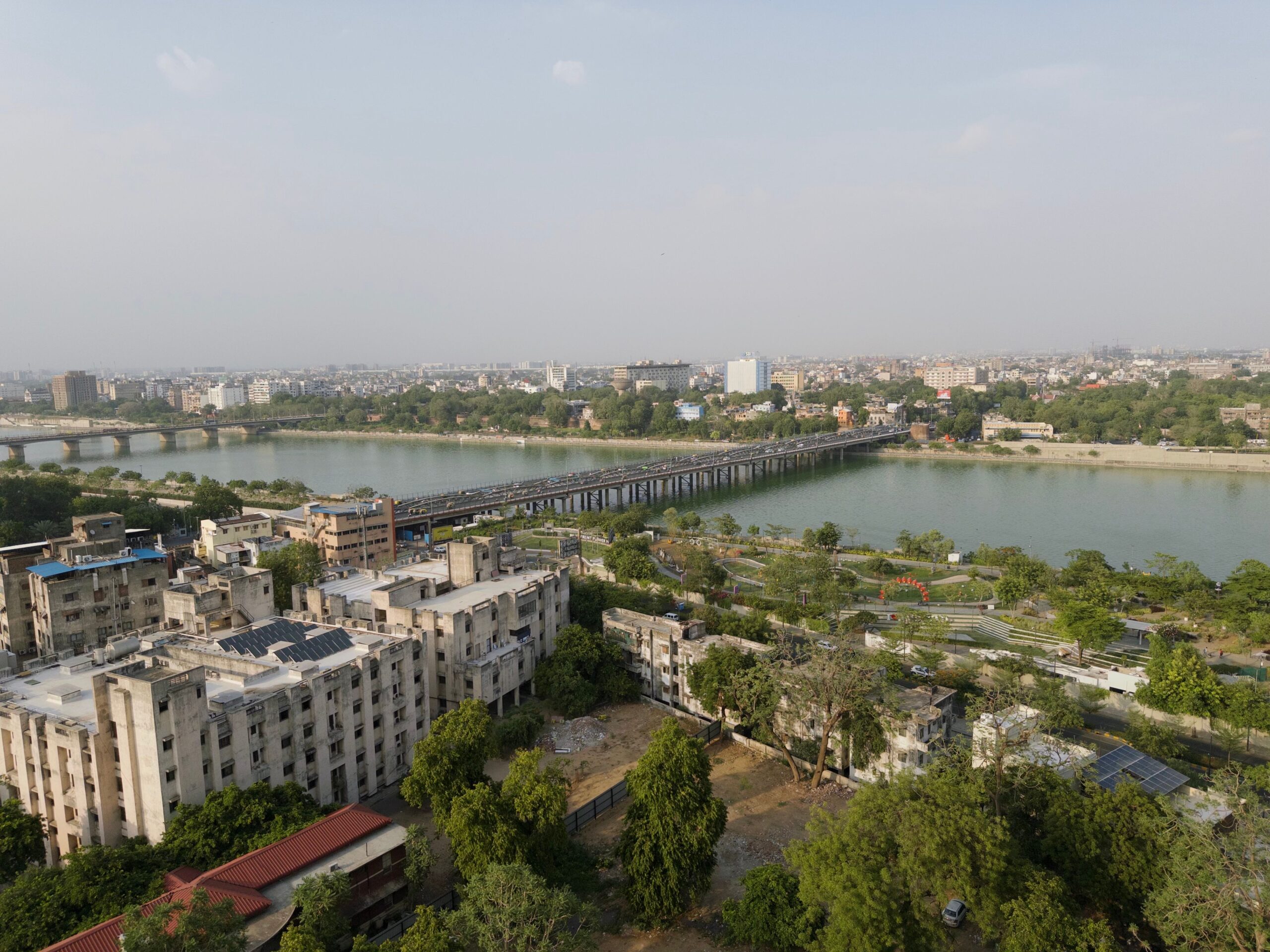
Ahmedabad: On 3 August, the Amdavad Municipal Corporation issued a circular that almost nobody will read. It is a Standard Operating Procedure, a plain SOP, for planting trees along the city’s roads, canals and footpaths. Dull on the surface. But it may decide whether the city’s grand tree mission leaves any real shade behind.
Here is the promise. This year AMC wants to plant 50 lakh trees under its Mission Five Million Trees. Last year, the corporation says it planted about 41 lakh. Big, headline-friendly numbers — the kind that look great in a press note and quietly vanish by the next summer.
The new SOP is the boring part that matters. It tells three departments: Garden, Engineer and Water Resources exactly how to plant, and, crucially, how to keep the trees alive afterwards.
Why a two-page circular is the real story
We plant lakhs of saplings every monsoon in this country. Most don’t see their second birthday. The reason is rarely the sapling. It is the pit that was too shallow, the concrete that choked the roots, the tanker that never came in May.
This SOP reads like a document that has learned that lesson. On road dividers, it asks the engineering wing to break the asphalt down to natural soil and clear out the cement and rubble before a single tree goes in — so roots have somewhere to go. Along canals, shrubs must sit at least two feet from the structure, so the greenery doesn’t crack the very canal it’s meant to soften. And it fixes a watering calendar in black and white: alternate days in summer, every third day in winter, on-demand in the monsoon.
Trimming gets a schedule too. Big trees every six months, hedges every fifteen days. The stated reason is telling — branches must not block traffic signals or the CCTV and number-plate cameras. A tree, in other words, must earn its place in a city that also wants to watch its roads. Fair enough. A canopy that’s never pruned becomes a hazard in the first strong pre-monsoon gust.
The 2030 clock is ticking for Amdavad
None of this is happening in a vacuum. In November 2025, Amdavad was confirmed as host of the 2030 Centenary Commonwealth Games — only the second time India hosts, after Delhi 2010. Roughly 74 nations will send athletes and visitors here.
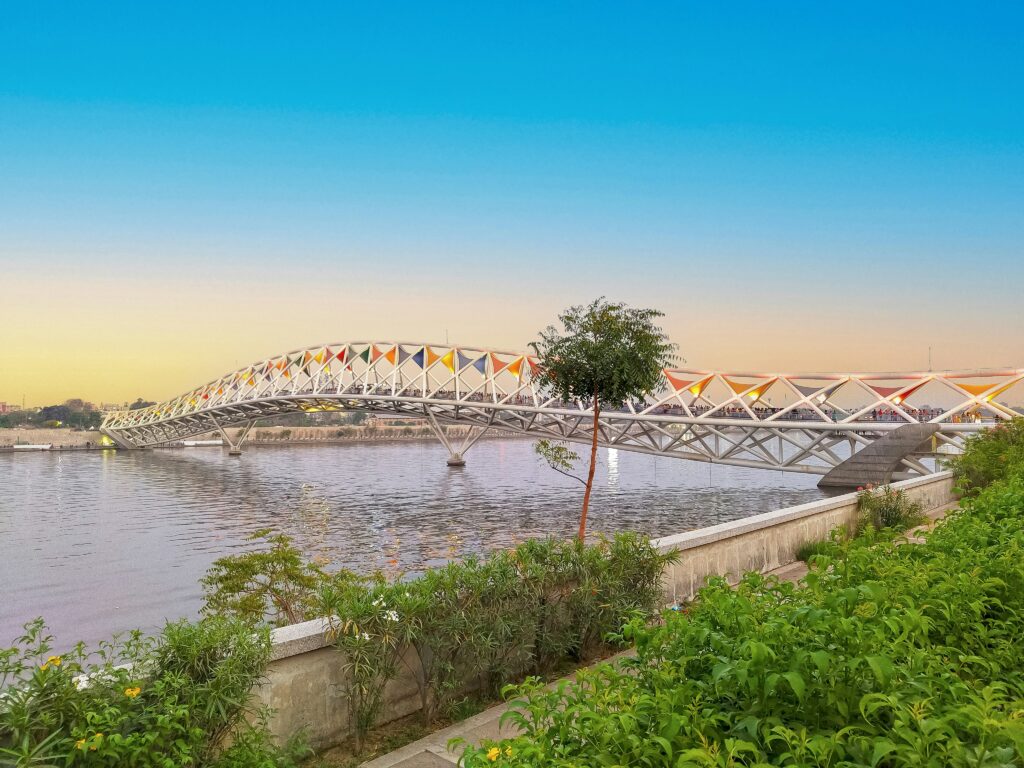
Here’s the quiet arithmetic. A sapling planted this monsoon has about four growing seasons before the flame is lit in 2030. The rain trees, gulmohars and neems going into the ground now are, quite literally, the shade the city will offer its guests — and, far more importantly, the shade it offers the workers, vendors and pedestrians who will still be here long after the medals are handed out.
And Ahmedabad, of all cities, knows what heat costs. The 2010 heatwave pushed temperatures to 46.8°C and was linked to an excess of 1,344 deaths in a single month. That tragedy made this city the first in India to write a Heat Action Plan. Street trees are not decoration in a city like this. They are public health infrastructure.
The question the SOP doesn’t answer
At Urban Voices, we care about one test above all: are these cities being built for people?
So here is the honest worry. The SOP sets trees 3–4 metres apart on footpaths. On a wide, well-built footpath, that’s a shaded promenade — a delight. On the narrow, encroached, uneven footpaths most Ahmedabadis actually walk on, a row of trunks and tree guards can quietly swallow the last strip of walking space. Shade above, obstacle course below.
The document is silent on the minimum clear width a pedestrian is left with. That is the gap to watch. A tree on a footpath is a gift only if you can still walk past it with a pram, a wheelchair, or a bag of vegetables.
Plant the five million trees. Please. But judge the mission not by the saplings that go in this July, but by the canopy that’s standing — and the footpaths still walkable — when the world arrives in 2030. The trees are keeping their own count. So should we.