

Ah, the modern remix. You know the drill: take a timeless classic, strip out its soul, pump in a synthetic beat, and call it “fresh.” The same thing is happening in architecture today. Instead of losing a great song, we’re losing centuries of built heritage and the emotional memory it carries.
The brain knows better
Neuroscience tells us that when we encounter something deeply familiar, say, a courtyard of a haveli that breathes with the seasons, or a stepwell carved with impossible patience, our hippocampus lights up. This part of the brain, key to memory and spatial navigation, immediately recognises the patterns, proportions, and sensory cues. We feel anchored. Safe. Connected.
It’s the same dopamine hit you get when you hear the opening notes of an old Lata
Mangeshkar track you grew up with. Your limbic system, the emotional command centre, goes, “Ah, I know this one. I can relate.”
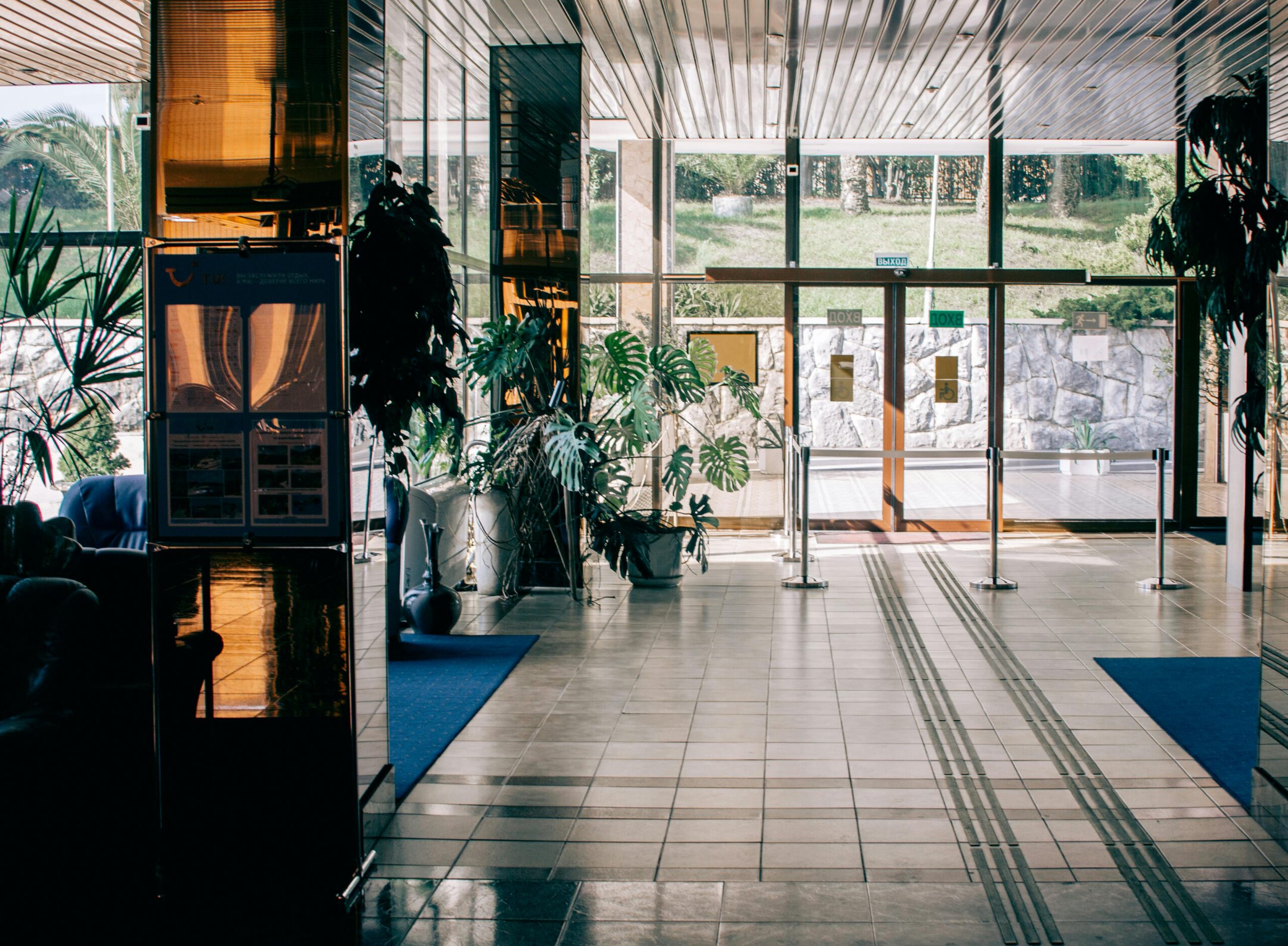
Now compare that to standing in front of a shiny “reinterpretation” of that same haveli: a
glass atrium with a token potted plant, air-conditioning blasting away, and no trace of
seasonal airflow. Your brain, bless it, tries to find the rhythm. The novelty pathways fire for a moment. Ooh, shiny! But the limbic system shrugs: Nope. Not feeling it. Novelty without substance is just noise.
The Originals Were Hits for a Reason
The temples, mosques, havelis, and town squares of yesterday weren’t “designed for
Instagram,” they were designed for life. Their proportions adhered to the human scale, their materials aged with elegance, and their forms responded to climate, culture, and community. These buildings were more than structures; they were slow-cooked recipes for comfort, interaction, and memory.

Your sensory cortex, memory circuits, and emotional pathways could “hum along” to them for decades without getting bored.
The Remix Problem
Today’s (some; not all) architectural remixes often follow a formula: Take one beloved element from the past.
- Blow it out of proportion.
- Strip away its context.
- Add steel, glass, and a “concept statement.”
The result? Something that looks vaguely familiar but feels emotionally hollow, like hearing your favourite Kishore Kumar song played on a cheap electronic keyboard in a shopping mall.
The Neuroscience Translation
In the originals, sensory harmony was key. The cool touch of stone on a summer morning, the filtered light through jaalis, the smell of wet earth after the first monsoon rain, these cues activated multiple brain regions in sync. In the remix, your prefrontal cortex is busy trying to appreciate the innovation, but your amygdala and hippocampus, the emotional and memory heavyweights, have already walked out of the concert.
Why We Should Stop Messing with Perfection
Remixes can work, but let’s be honest, most don’t. In both music and architecture, the magic lies in the layered memories, cultural nuances, and imperfections that have been polished by time. These are things you can’t just copy-paste into a CAD file. A marble lattice in Fatehpur Sikri isn’t just ornamentation; it’s centuries of craftsmanship distilled into pattern, proportion, and performance. A pol in Ahmedabad isn’t just a cluster of houses; it’s a micro-ecosystem of community, climate control, and social rhythm.

When we replace these with “modern interpretations” stripped of context, we’re not innovating, we’re amputating.
Protect, Don’t Remix
By all means, let’s adapt our heritage for today’s needs, but adaptation doesn’t mean turning every baoli into a café or every haveli into a glass-box boutique. It means working with the grain of history, not sanding it down into something generic.
Because some songs, like some buildings, were already perfect. And you don’t remix
perfection. You protect it. And if you really want to make something “fresh”? Try listening to the original; your brain and your city will thank you.
Urban Voices is a platform for sharp & contextual writing on how we shape and experience our cities. If you have a story, perspective, or insight on urban design, development, infrastructure, or daily life in Indian cities, we invite your contributions. Join here with your pitch or submission.





[…] https://urbanvoices.in/architecture-today-when-the-remix-cant-beat-the-original/ […]