
Glass towers may symbolise urban success, but for millions of Indian workers, they often feel more like stress factories than spaces for creativity. Neuro-architecture, the science of how buildings affect the brain, offers a smarter way forward. And surprisingly, it does not always require bigger budgets. Just better thinking.
The Great Indian Glass Box Problem or The Zombie Towers
Picture this.
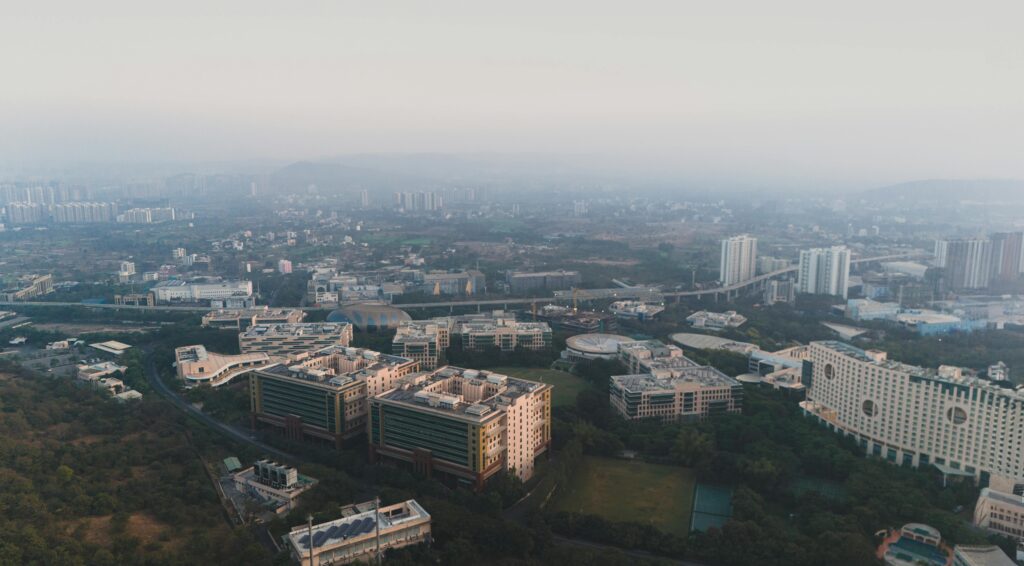
You are rushing through Bandra Kurla Complex or Cyber City, weaving through traffic, dodging autorickshaws, and mentally preparing for another day inside a gleaming corporate tower. From the outside, these buildings look like symbols of India’s economic ambition. Giant mirrored facades. Air-conditioned lobbies. Imported marble. Futuristic branding.
But step inside, and the experience often changes quickly.
Harsh fluorescent lights. Echoing lobbies. Endless glass partitions. Open-plan offices where privacy goes to die. Workers are squeezed into environments designed more for maximising rentable floor area than maximising human well-being.
India’s commercial real estate boom has largely prioritised efficiency: more square feet, lower construction costs, faster returns. The human brain rarely enters the conversation.
That is where neuro-architecture comes in.
Buildings Shape Behaviour More Than We Admit
Neuro-architecture studies how physical spaces influence human emotions, focus, stress levels, and productivity. In simple terms: buildings affect our brains.
Research in environmental psychology shows that humans naturally respond positively to “biophilic” elements greenery, natural materials, curves, daylight, flowing air, and textures inspired by nature. These reduce stress and improve cognitive performance.
Meanwhile, rigid glass-heavy environments can increase anxiety, sensory fatigue, and emotional detachment. India’s urban offices often do the exact opposite of what the brain needs.
The mirrored glass facades dominating business districts create visual harshness, amplify heat, and disconnect buildings from street life. Instead of welcoming people, many towers feel like sealed vaults floating above the city.
The Case for Softer, Smarter Facades
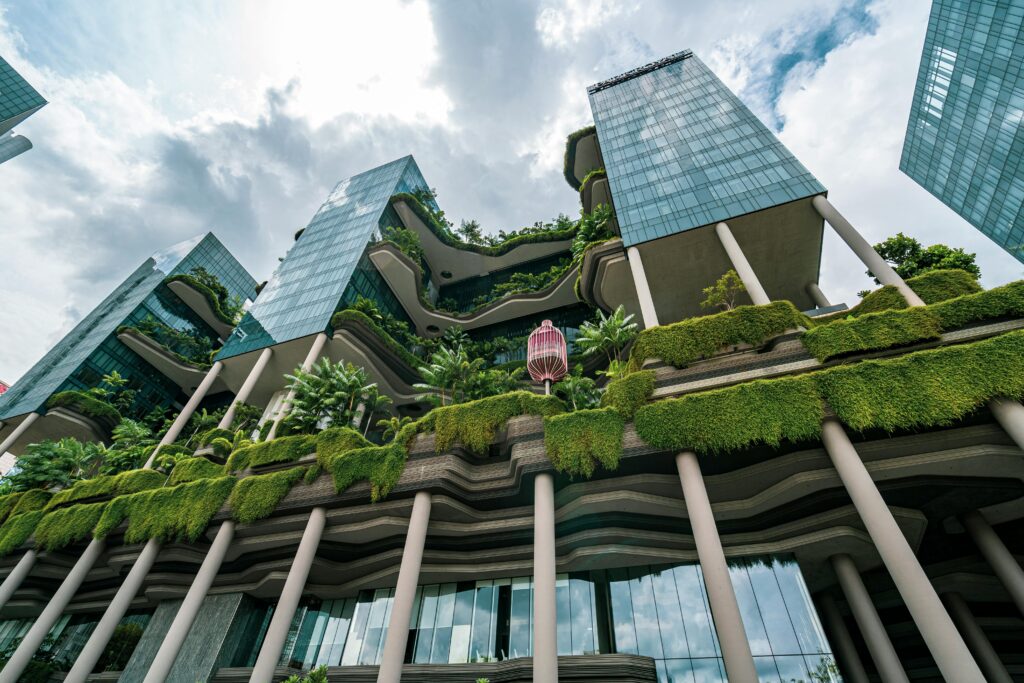
There is another way. Take PARKROYAL COLLECTION Pickering in Singapore. Its cascading green terraces blur the line between architecture and landscape, creating a building that feels alive rather than intimidating.
Now imagine that idea adapted for India.
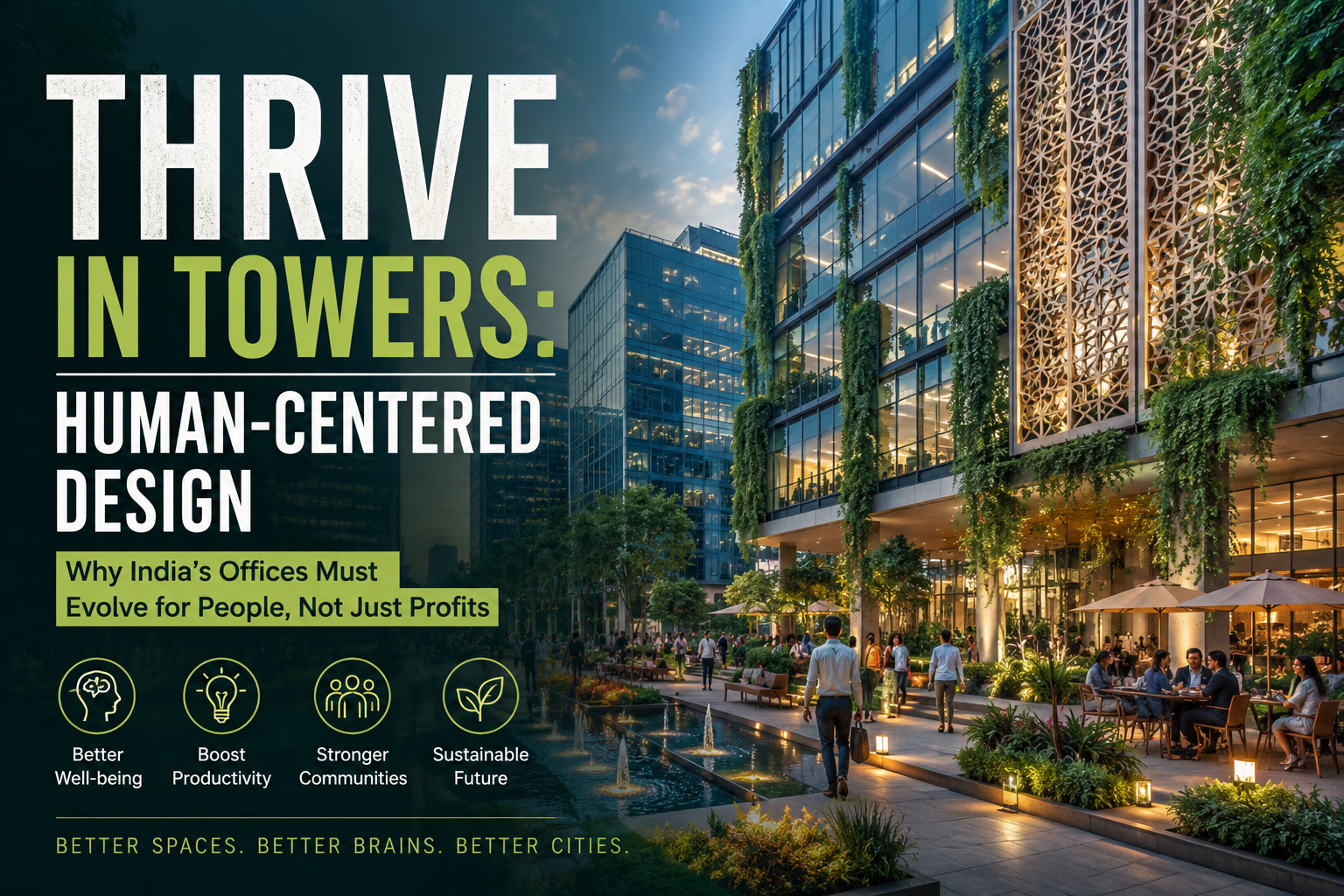
Picture office towers in Gurugram or Mumbai using perforated jaali screens inspired by Mughal and Rajasthani architecture. Add vertical greenery, shaded balconies, and naturally ventilated transition spaces.
These are not just aesthetic upgrades. They soften noise, reduce heat gain, improve pedestrian comfort, and psychologically calm people before they even enter the building. Streets become places to pause rather than spaces to escape from.
For developers, this also makes financial sense. Better street engagement increases retail activity, boosts tenant appeal, and improves long-term property value.
Human-centred design is not charity. It is smart economics.
Why Indian Office Lobbies Feel Emotionally Empty
Many Indian office lobbies today resemble airport terminals crossed with luxury bank vaults.
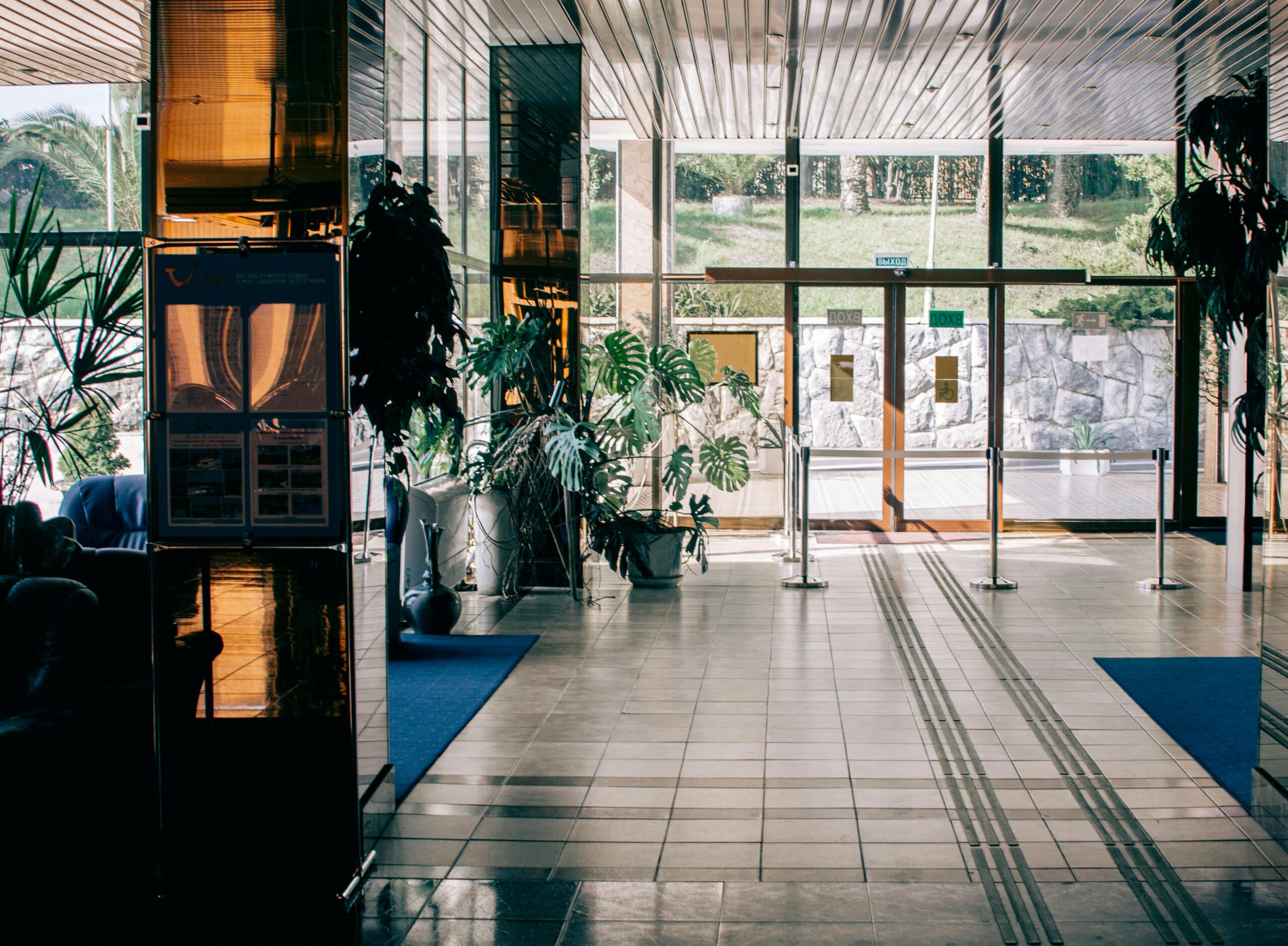
Cold marble floors. Oversized empty spaces. Aggressive air conditioning. Security gates everywhere. Nowhere is comfortable to sit. They are visually impressive but emotionally dead.
Neuro-architecture argues that transitional spaces matter deeply because they shape emotional states before work even begins. Instead of sterile lobbies, offices could create what designers increasingly call “third spaces”, environments that encourage informal interaction, relaxation, and psychological comfort.
Some companies are already experimenting.
WeWork locations in India introduced lounges, murals, softer lighting, and casual seating to reduce workplace rigidity. The larger lesson is not about copying startup aesthetics. It is about creating spaces where people feel human rather than processed.
Simple additions can make major differences:
- Warm layered lighting instead of harsh white glare
- Natural materials like bamboo or wood
- Indoor plants and water features
- Flexible seating clusters
- Verandas and shaded semi-open spaces inspired by traditional Indian homes
- Locally rooted scents like sandalwood or vetiver
These interventions are relatively low-cost but psychologically powerful.
The Open Office Has Failed
One of the biggest design mistakes of the last two decades has been the obsession with open-plan offices.
The promise was collaboration. The reality? Noise, distraction, exhaustion, and burnout.
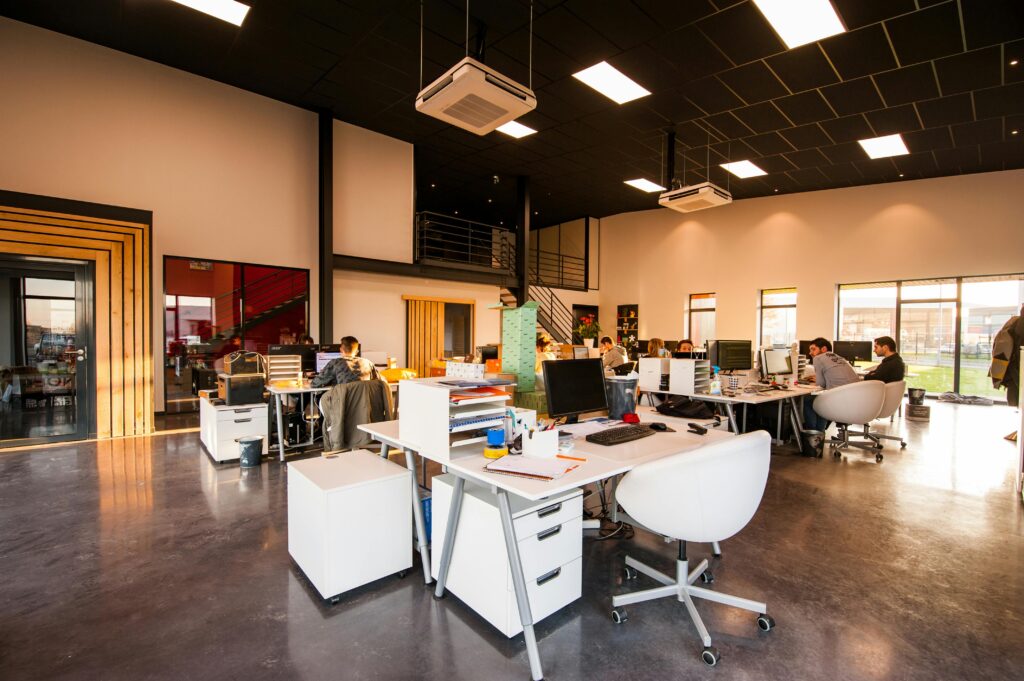
Studies consistently show that excessive visual and acoustic stimulation harms concentration and increases cognitive fatigue. Yet many Indian offices continue to cram workers into giant, uninterrupted floors with minimal privacy.
Workers become temporary occupants rather than owners of space. That can change. Infosys campuses have experimented with “agile work zones” featuring adaptable layouts, collaborative pods, and movable partitions.
Future-ready Indian offices could include:
- Acoustic pods for deep-focus work
- Adjustable lighting zones
- Movable furniture systems
- Quiet corners for recovery and decompression
- Personalised micro-environments controlled through apps
- Hybrid spaces balancing collaboration and solitude
Even low-budget offices can experiment with modular furniture, recycled materials, and flexible layouts. The important shift is philosophical: workers perform better when they feel a sense of agency over their environment.
India Does Not Need More Zombie Towers
India’s cities are urbanising at an astonishing speed. Millions of square feet of office space are still being planned, financed, and constructed.
That means there is still time to rethink what these buildings are trying to achieve. Commercial towers should not merely store workers efficiently like vertical warehouses. They should support focus, creativity, emotional health, and social connection. Neuro-architecture offers India a rare opportunity: combining traditional climate-sensitive wisdom with modern neuroscience.
Jaalis instead of heat-trapping glass walls. Verandas instead of sealed interiors. Flexible community-oriented spaces instead of isolating corporate corridors.
The future of Indian offices may not lie in building taller towers. It may lie in building kinder ones.