"Usually, when we think of a ‘before and after’ transformation, we expect progress—better public transport, more efficiency, and improved mobility. But in Delhi, the reality was the opposite. After the BRT corridor was removed, the space once dedicated to buses was reclaimed by private vehicles, pushing public transport users to the margins—both literally and figuratively. Instead of prioritizing sustainable mobility, the city ended up reinforcing car dominance."
“Usually, when we think of a ‘before and after’ transformation, we expect progress—better public transport, more efficiency, and improved mobility. But in Delhi, the reality was the opposite. After the BRT corridor was removed, the space once dedicated to buses was reclaimed by private vehicles, pushing public transport users to the margins—both literally and figuratively. Instead of prioritizing sustainable mobility, the city ended up reinforcing car dominance.”
♥
Support Urban Voices
If this piece mattered to you, help us keep writing it
Urban Voices is independent and entirely ad-free. Stories like this — reported carefully, edited rigorously — cost real time and resources. Reader support is what makes them possible. Even ₹100 makes a difference.
Urban Voices is a news and views platform dedicated to “cities for people”. Urban Voices raises issues, amplifies the voices and documents best practices on urban issues at local, state and national levels. The platform is dedicated to urban art to culture, mobility to design, transport to sanitation, planning to governance, and innovations to urban management initiatives.
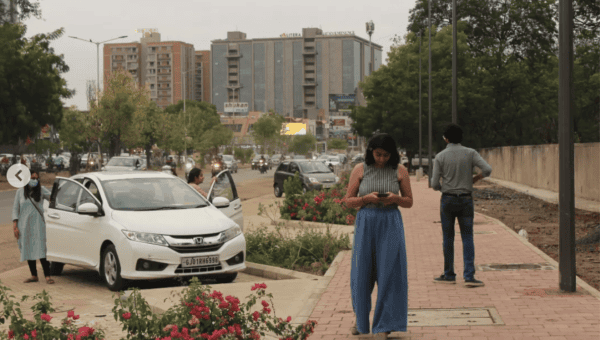
After Ahmedabad redesigned Science City Road with footpaths, safer crossings and shade, average shop turnover nearly doubled and property-tax collections rose 64%. A new 10-city study by ITDP India makes the case that streets built for people are not beautification. They are economic infrastructure.
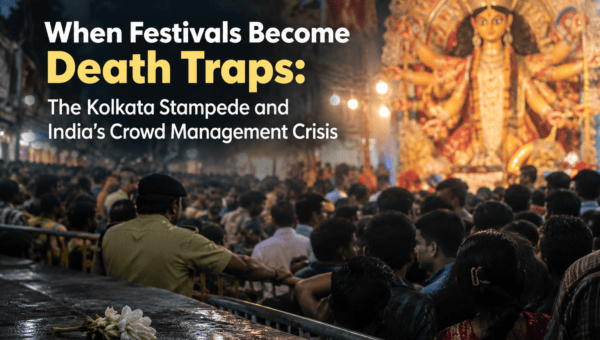
India has one of the worst records in the world for stampede deaths at public gatherings. Kumbh Mela 2025, 30 dead. Bengaluru cricket stadium 2026, 11 dead. And now Kolkata’s Durga Puja 2026 19 dead, and counting.