
public art or public disconnect? reimagining ahmedabad’s urban experience
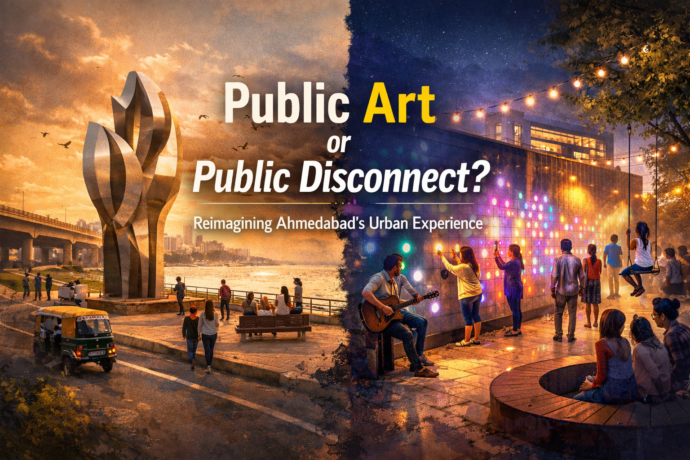
Ahmedabad is a city of stories—woven through its pols, markets, and riverfront walks. But pause for a second: when was the last time a piece of public art here made you stop, touch, or feel something? In a city so alive, why does much of its public art feel… distant?
Our relationship with space is not merely visual or functional. It is emotional, social, and deeply embodied. Public art, when thoughtfully integrated, has the potential to act as a bridge between these layers of experience. It can invite pause, spark curiosity, and foster shared moments
among strangers. But in Ahmedabad today, much of what is labelled as “public art” remains distant – something to look at, not something to engage with.
The Body: When Art Becomes Background Noise
Across flyovers, traffic circles, and promenades, we encounter sculptures and installations that appear complete in themselves. They are often symbolic, sometimes monumental, but rarely participatory; even gone unnoticed. They do not ask anything of us, nor do they respond to our
presence. As a result, these works risk becoming visual backdrops rather than active contributors to urban life.
Walk through Sabarmati Riverfront or circle past its flyovers, and you’ll spot sculptures, murals, and installations placed with clear intent. They are often grand. Sometimes symbolic. Always visible.
But here’s the catch: they rarely engage.
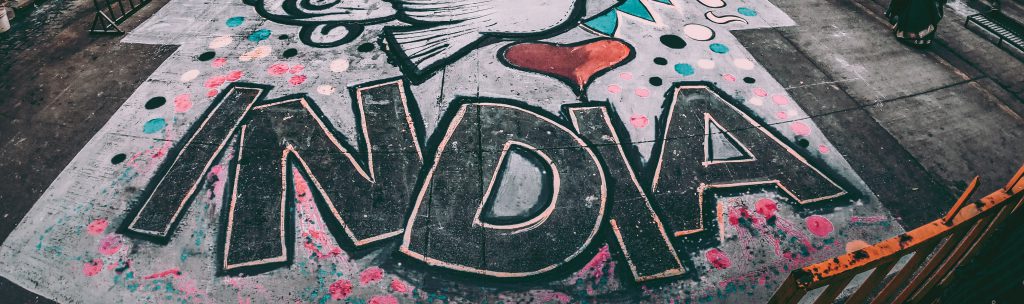
They don’t ask you to sit, interact, or even think beyond a passing glance. Over time, they blend into the background. Like traffic signals or streetlights, they become part of the visual routine. Seen, but not experienced.
This isn’t just about aesthetics. It’s about how we, as people, relate to space.
Space Is Not Just Seen. It’s Felt.
Urban spaces are not static. They are living. We don’t just pass through them—we form memories in them. Think of a chai stall where conversations linger, or a shaded bench where strangers become familiar faces.
Public art has the power to amplify these moments. But only if it moves beyond being an “object.”
Right now, much of Ahmedabad’s public art feels complete in itself. Closed. It doesn’t invite you in.
The Missed Opportunity: Participation Over Presentation
Imagine this instead:
- A wall that changes with people’s touch
- A structure that reacts to movement or sound
- A space designed for impromptu performances or storytelling
This is participatory art—where the public is not just an audience, but a co-creator.
Globally, cities are shifting in this direction. Installations today are less about “look at this” and more about “be part of this.” They are rooted in ideas from Neuroarchitecture—a field that studies how spaces affect our emotions, behaviour, and well-being.
The takeaway is simple: interaction creates connection.
When people engage physically or socially with a space, it becomes meaningful. It becomes memorable.
Ahmedabad’s Paradox: Strong Identity, Weak Interaction
Here’s what makes this conversation more interesting.
Ahmedabad already has everything it needs:
- A rich craft tradition
- A culture of public life (think streets, festivals, markets)
- A rapidly evolving urban landscape
And yet, its public art often prioritises visibility over intimacy.
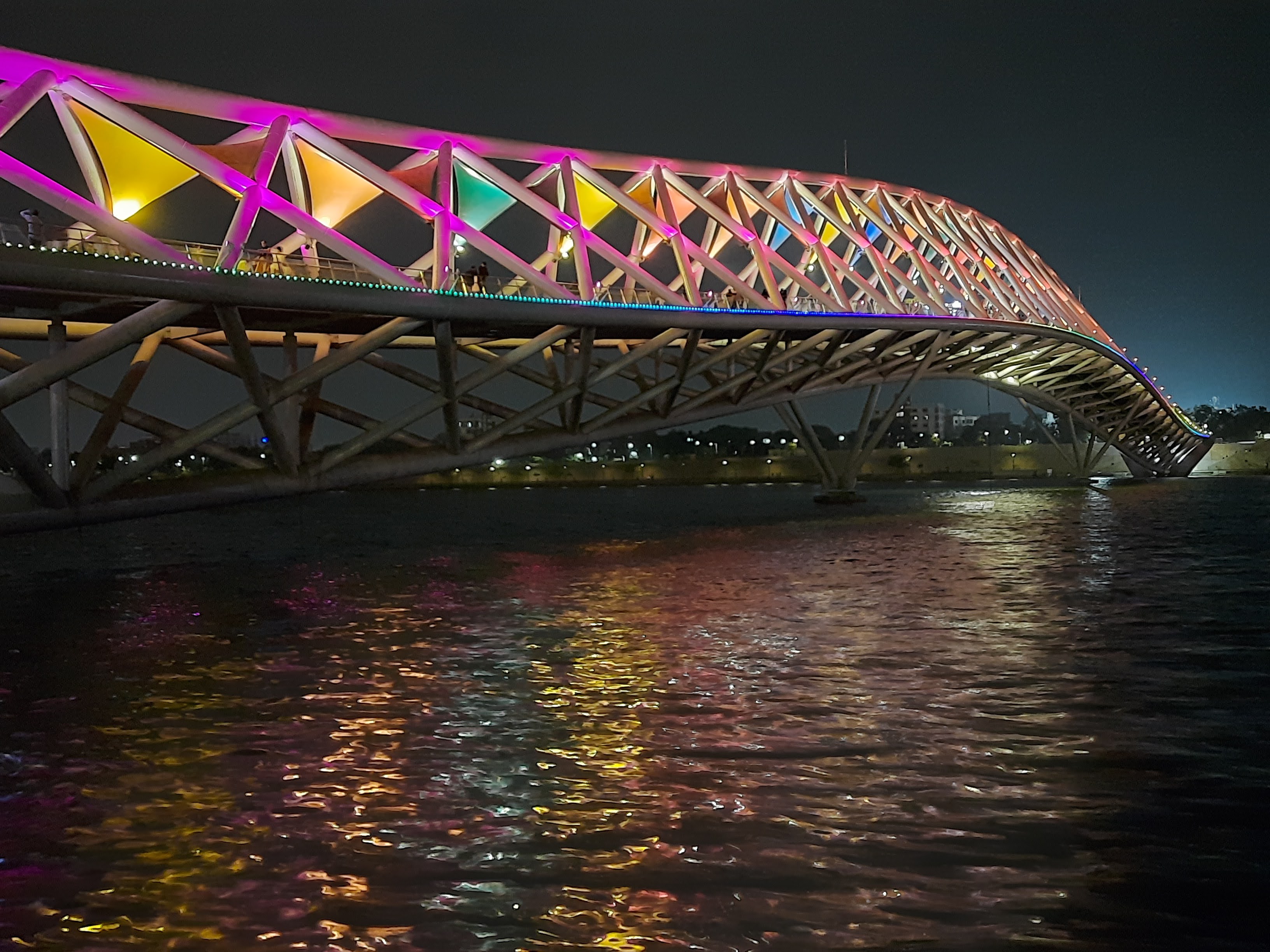
Take the riverfront again. It’s clean, expansive, and well-planned. But the art within it? Mostly static. It decorates the space rather than activating it.
The result: people use the space, but rarely because of the art.
The Big Question: Who Is Public Art For?
If public art is truly “public,” it must reflect the diversity of its people.
That means:
- Kids should be able to play with it
- Adults should find moments of pause in it
- Communities should see their stories in it
Right now, the gap is clear. The art exists. The people exist. But the connection between them is weak.
Beyond Public Spaces: The Emotional Layer
This isn’t just an urban design issue. It’s also psychological.
Spaces that encourage interaction—whether social or personal—help us slow down, reflect, and even regulate emotions. In a fast-growing city, these small moments matter more than ever.
Public art can play a quiet but powerful role here:
A reflective installation can create calm
A playful structure can spark joy
A shared space can build community
But only if it invites participation.
The Tail: Reimagining What Comes Next
Ahmedabad stands at an interesting crossroads. It can continue adding more installations—or it can rethink what public art actually does.
What if:
- Art invited people to leave their mark—literally or metaphorically?
- Installations evolved, shaped by public interaction?
- Spaces encouraged gathering, storytelling, and even disagreement?
This shift—from art as object to art as relationship—could change everything. Because in the end, public art is not about filling empty spaces.
It’s about filling the gap between people and place. And maybe, just maybe, helping us feel a little more connected—to the city, to each other, and to ourselves.